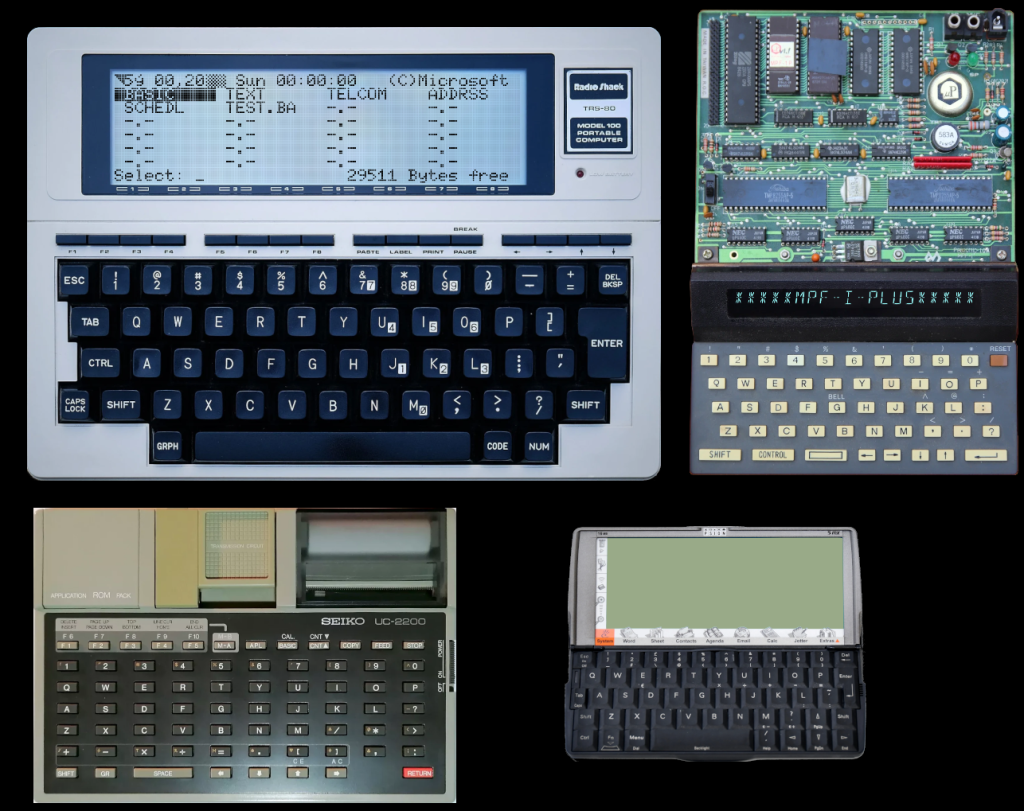
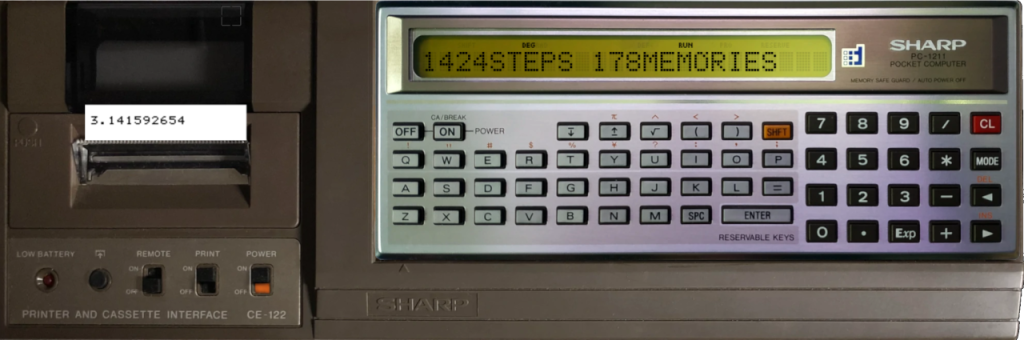
( In PockEmul 2.10.0 )
The HP‑41CX had gone far too long without any updates in PockEmul. I believe the next area of development will focus on the HP‑IL module.
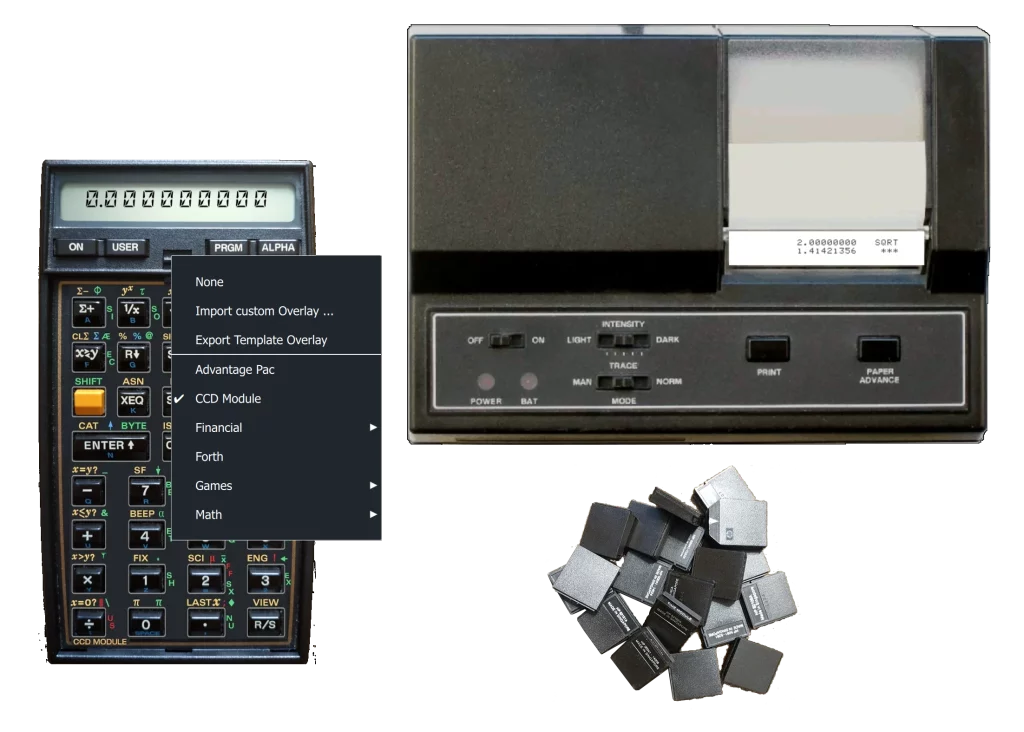
- Internal Extended Memory up to 600 registers
- Overlays management
- Raw file management

A vintage Pocket Computers and Calculators emulator
All posts relative to PockEmul world in general and not to a specific model.
The HP‑41CX had gone far too long without any updates in PockEmul. I believe the next area of development will focus on the HP‑IL module.

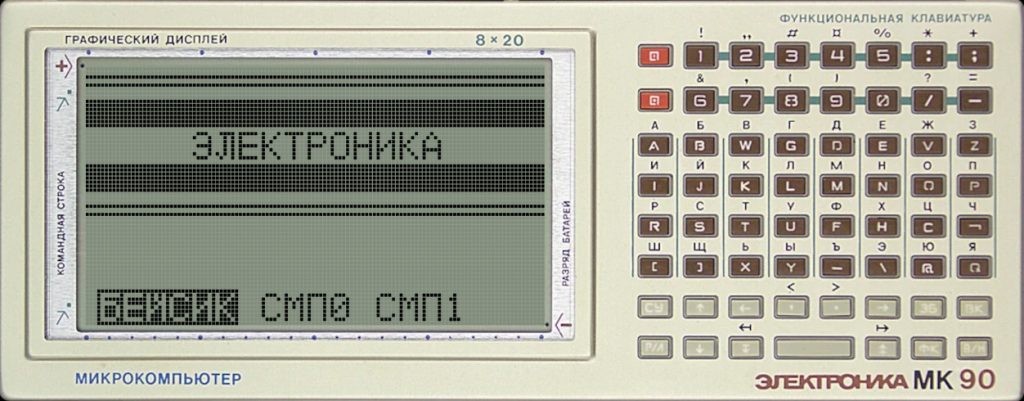
The Elektronika MK‑90 has always been a fascinating machine to me. I’ve long wanted to integrate it into PockEmul because of its unique characteristics that fully justify its place ( a powerful CPU, a large display, … ).
Getting familiar with this computer will be a real challenge for pocket computer enthusiasts, since it uses Russian messages rather than the English interface common to most pocket computers of that era.
The MK‑90 features two extension slots for RAM/ROM modules and a companion device—the MK‑92, a plotter combined with a cassette output (not emulated yet in PockEmul).
PockEmul was originally dedicated to pocket computers from the 1980s and 1990s, most of them programmable in BASIC. The absence of HP models (HP‑75 and HP‑71) was therefore a gap that absolutely needed to be filled.
I had long postponed this task because I was unfamiliar with these machines, and their complexity somewhat discouraged me. Eventually, I decided to take the plunge—and here is the HP‑71B in PockEmul.
It was an interesting challenge because I wanted to emulate this machine entirely using object-oriented programming, with each component represented as an object or a set of objects. That meant drawing inspiration from existing emulators—mostly developed in C with pointers to data structures—was never really an option.
This is the very first release, and inevitably some issues remain.

Dear PockEmul’s fans, we are pleased to announce the new PockEmul release. It will be available in the next few week.
We are in the final testing phase looking for the most obvious bugs.
This new version brings several new models and some new features:

I’m fully aware that it’s been quite a while since version 2.9 was released.
You might be wondering why I don’t publish smaller releases more frequently, each with fewer models, instead of waiting to deliver a larger release with several models at once.
The truth is, I find it difficult to focus on a single model and bring it to completion from start to finish.
Very often, the final imperfections prevent me from reaching the required level of quality, and solving them takes a lot of trial and error before the right solution emerges.
Working on multiple models in parallel helps me maintain both my curiosity and my motivation.
Rather than writing one long post detailing all the new features, I’ll spread the announcements across several posts leading up to the release date—and possibly even after.
Feel free to share your thoughts and feedback in the comments!
A message for our longstanding users and subscribers :
PockEmul is a 25 years passion project and a labor of love.
We invite you to share the passion and love for vintage computing.
Help us make history like these computers have done in the not-so-distant past.
Help us shape the future of PockEmul. Spread the word!
There is one aspect that I have been neglecting since the release of PockEmul, which concerns the minimum OS versions supported by PockEmul.
This needs to change because I have too many issues testing different versions.
So starting from PockEmul 2.10, here are the different platforms that will be supported by PockEmul:
Feel free to share your thoughts.